What To Do With Pumpkins After Halloween (Do NOT Throw them Out Just Yet)

Alright, so Halloween passed, the candy is mostly gone, and now you have these big, orange gourds just sitting there. Do not throw them out just yet. I am here to tell you how to give those Halloween pumpkins a second life, because wasting them is a real shame.
Feeding Wild Friends and Fellow Creatures
My mom always said, “Waste not, want not,” and she applied that to everything, even pumpkin guts. If your pumpkins are just decorative, not carved, they make great snacks for critters. Animals love them.
Pumpkin Power for Wildlife
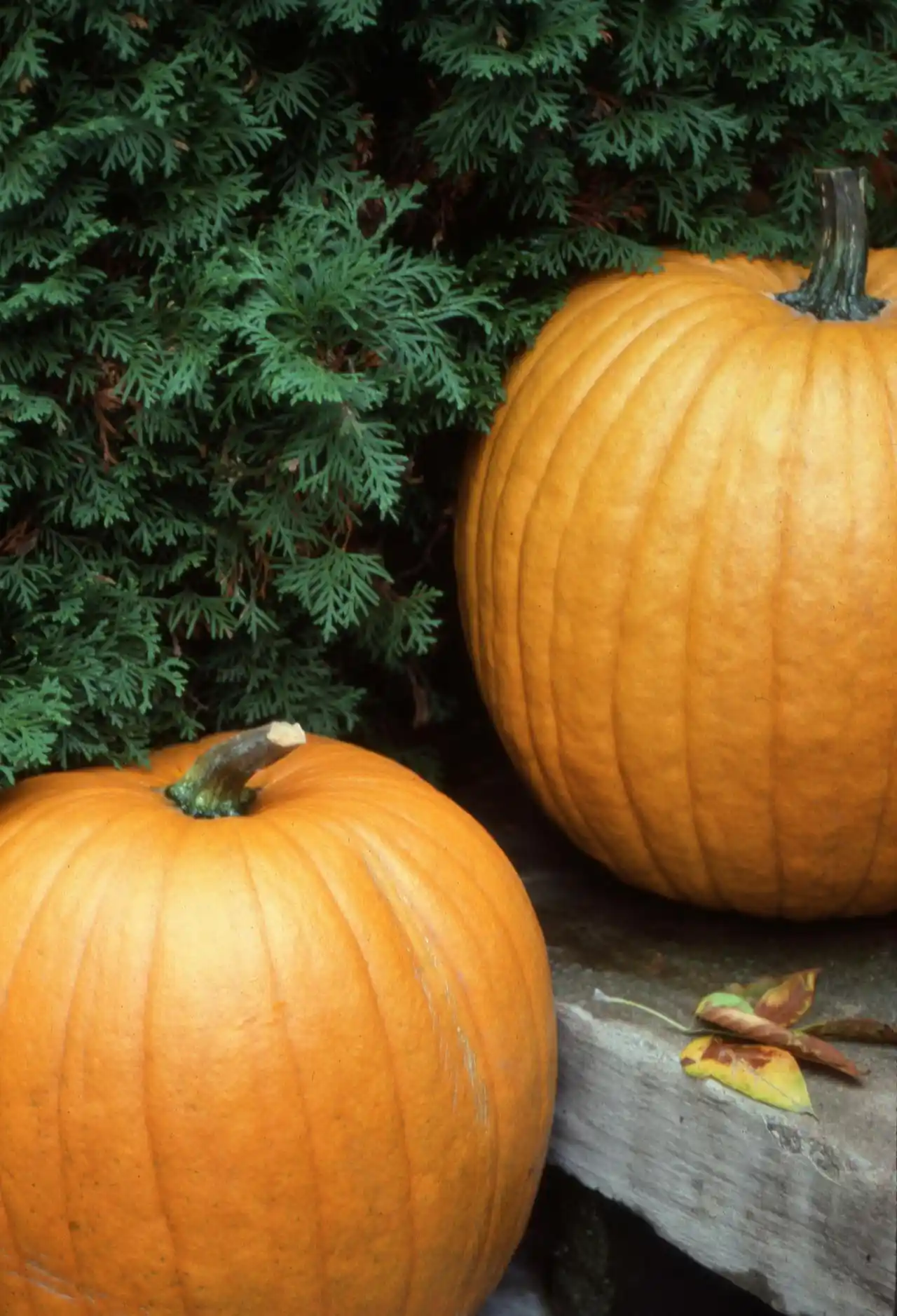
Think about it, deer, squirrels, even birds peck at them sometimes. I put my uncarved pumpkins at the edge of my yard where the deer often visit. It is like a little fall buffet for them. Just make sure the pumpkin is completely plain; no paint, glitter, or anything else weird. Those things hurt animals.
- Place whole, uncarved pumpkins in a natural area far from your house.
- Break larger pumpkins into smaller pieces for easier consumption by smaller animals.
- Avoid placing pumpkins near roads where animals could run into traffic.
Compost Creation
This is my absolute favorite. Every year, my pumpkins go straight into the compost bin. It is amazing how quickly they break down back into the earth. It is nature doing its thing, you know?
You can chop up your carved pumpkins, seeds and all, and toss them into your compost pile. They add great moisture and nutrients. Do not worry about the seeds sprouting; most compost piles get hot enough to kill anything like that. If they sprout, just pull them out. It is not rocket science.
My neighbor, Dave, he used to just bag his pumpkins up with the trash. I told him he was missing out on free fertilizer. Now, he has the most amazing tomatoes, and he credits his “super pumpkin compost.” He still teases me about my composting obsession, but his garden does not lie.
Edible Pumpkin Delights for Humans
Okay, so maybe you are not into feeding the deer or making compost. What about feeding yourself? Trust me, those pumpkins are not just for carving. You can eat them.
Roasted Pumpkin Seeds
This is a classic for a reason. My kids fight over these every single year. It is a messy job getting the seeds out, but the reward is worth it.
- Scoop out the seeds and stringy bits.
- Rinse the seeds really well to get all the pumpkin goo off.
- Boil them lightly in salted water for about ten minutes. This makes them extra crispy.
- Toss them with a little olive oil and your favorite seasonings—salt, pepper, garlic powder, cinnamon sugar, whatever.
- Spread them out on a baking sheet and bake at 300 degrees Fahrenheit (150 degrees Celsius) until golden brown and crunchy, about 20-30 minutes. Stir them halfway through.
I like mine with just salt, plain and simple. My youngest insists on cinnamon sugar. Sometimes, I make a batch of both just to keep the peace. It is a small price to pay for quiet for five minutes while they eat their seeds.
Pumpkin Puree Perfection

If your pumpkin is still good, meaning no mold or soft spots, you can make your own pumpkin puree. This is way better than the stuff in a can, I promise.
I learned this from my grandma. She never bought canned pumpkin. “Too watery,” she would say. She would roast big chunks of pumpkin, scoop out the flesh, and mash it into a smooth puree. Then, she would make pies, muffins, even pumpkin soup. My personal favorite is pumpkin bread with extra chocolate chips. You really have to try it.
Here is how I do it:
- Cut your pumpkin into large pieces, remove seeds and stringy bits.
- Place them cut-side down on a baking sheet.
- Roast at 375 degrees Fahrenheit (190 degrees Celsius) until fork-tender, about 45-60 minutes.
- Let it cool, then scoop out the flesh.
- Blend it in a food processor until smooth. You can add a little water if it is too thick.
- Store it in the fridge for up to a week, or freeze it for later.
My friend Sarah, she tried making her own puree last year and said it was a revelation. She even froze some in ice cube trays for adding to smoothies. Smart lady, that Sarah.
Pumpkin Recipes You Might Try
Once you have that glorious pumpkin puree, the world is your oyster, or your pumpkin, I guess. So many people just think of pie, but there are so many other things.
| Recipe | Description |
|---|---|
| Pumpkin Pie | A classic dessert, rich and creamy. |
| Pumpkin Bread | Moist and flavorful, perfect for breakfast or a snack. |
| Pumpkin Muffins | Mini versions of pumpkin bread, great for on-the-go. |
| Pumpkin Soup | A warm, comforting dish, especially good on a chilly evening. |
| Pumpkin Risotto | A savory option, surprisingly delightful. |
I once made pumpkin chili. Sounded weird, right? But it was actually really good. It added a subtle sweetness and creaminess that was unexpected. My husband, bless his heart, was skeptical. He even made a face. But he ate two bowls, so I take that as a win.
Creative Uses for Decomposed Pumpkins
If your pumpkin has started to turn a bit, you might think it is game over. Not always! You can still use it.
Garden Enrichment
Even if it is a bit squishy, a decomposing pumpkin is still packed with nutrients. You can just dig a hole in your garden and bury it. It will break down and feed your plants. It is that simple.
Last year, I had a pumpkin that got forgotten behind the shed. By the time I found it, it was really soft. I dug a hole right next to my rose bush and buried the whole thing. That rose bush had the prettiest blooms all summer. Coincidence? Maybe. But I like to think it was the pumpkin magic.
Sensory Play for Kids
This one is for the parents out there. My nephews love getting messy. A slightly mashed pumpkin, maybe even some of the stringy bits, makes for a great sensory bin. Just put it in a big tub with some spoons and small toys.
My sister thought I was crazy when I suggested this. “Are you serious?” she asked. But the kids were entertained for a solid hour, digging around in the pumpkin mush. It is gooey fun, and it teaches them about natural textures. Plus, it is completely biodegradable, so cleanup is relatively easy.
Responsible Disposal for When All Else Fails
Okay, sometimes, a pumpkin is just too far gone. It happens. Do not fret. You still have options other than the trash can.
Local Composting Programs
Many cities have composting programs now. You can check with your local waste management services. They often have designated drop-off points for organic waste, including pumpkins. It is a good way to make sure it gets properly composted if you do not have your own bin.
My town started one last year, and it has been a game-changer. No more guilt tossing those pumpkins in the garbage. It feels good knowing they are going back to the earth, not filling up a landfill.
Recycling Centers
Sometimes, recycling centers will accept organic waste for composting. It is worth a call to find out. Every little bit helps.
My friend Mike, he works at our local recycling center. He says people bring in all sorts of stuff, but pumpkins are a big one right after Halloween. They even have special bins just for them. It is pretty cool.
Frequently Asked Questions
Can I really eat the same pumpkin I used for carving?
Yes, you can! As long as the pumpkin was healthy and has not been sitting out too long, especially if it was not carved. Carved pumpkins spoil faster because of air exposure. Just look for any mold or really soft spots. If it looks good, it is good to go.
Is it safe to feed pumpkins to wild animals?
Generally, yes, it is safe, but only if the pumpkin is free of any chemicals, paint, or glitter. Uncarved, plain pumpkins are best. Also, make sure you place them in an area where animals can safely access them away from traffic.
How long can I keep my uncarved pumpkin before it goes bad?
An uncarved pumpkin can last for several weeks, sometimes even months, if kept in a cool, dry place away from direct sunlight. Once carved, the lifespan drops significantly to just a few days, maybe a week, depending on the weather.